
Shristi Mitra's Perspective: Harmony of Festivals, Traditions, and the Environment
Introduction
Navratri holds a special place in India's cultural traditions. This nine-day festival symbolizes the worship of Goddess Shakti and self-purification. While the expressions may be different—Durga Puja, Garba, Dandiya, or fasting—a common thread is evident everywhere: - a deep connection with nature. Earthen pots, holy water, fruits, flowers, grains, and leaves—elements of nature are present in every Navratri ritual.
Goddess worship and nature
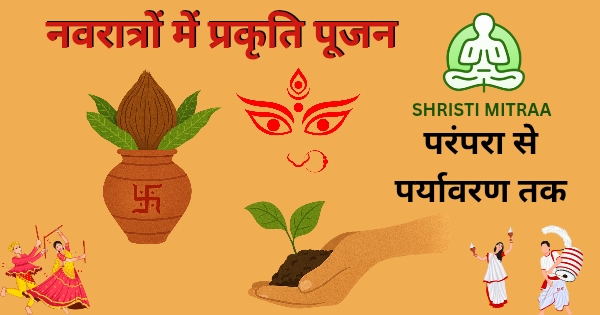
Kalash installation is not merely a religious act, but a respect for the five elements of nature. Water, leaves, and jawar (sprouted barley) are placed in the earthen pot—these symbolize gratitude to the earth, life, greenery, and trees, respectively. The offerings of seasonal fruits, grains, jaggery, and gram during Kanya Pujan support local agriculture and biodiversity.
- Soil: Symbol of Mother Earth
- Water: The foundation of life
- Sorghum: Symbol of new life and green energy
- Leaves: Gratitude towards vegetation
- Deep/Incense: Light and heat energy
Environmental Signs: Learning from Tradition
Traditional Navratri worship offers several practical messages for modern environmental protection:
- Biodegradable Materials: Soil, leaf plates/plates, betel nuts, coconuts—natural and biodegradable.
- Local Resources: Fruits, flowers, and leaves available in the area—carbon footprint Less.
- Shared Consumption: Family/community/temple worship together—reduce unnecessary expenditure and waste.
- Discipline: Fasting, sattvic food, punctuality—training in resource management.
Modern Challenges and Solutions
Today, plastic decorations, synthetic glitter, and chemical colors have become a staple in puja materials, increasing waste and water pollution. This trend needs to be reversed:
- Use cloth, paper, flowers, and natural/art paper for decoration; avoid thermocol/glitter.
- Use leaf plates, paper, or cloth bags for packing prasad; avoid polythene.
- Immerse/dispose of prasad at designated sites; Separate dry and wet waste and follow local regulations.
Shristi Mitra's Vision
Shristi Mitra's primary objective is to conserve soil, water, air, and living organisms. Religious-Cultural Occasions are effective platforms for social change—with this thought, we call for the following:
- Plastic-free places of worship—Awareness and alternative arrangements at the local level.
- Green Gifts—Encouragement to gift small plants at Kanya-Pujan/Kanpaan.
- Promoting local producers—Prioritizing indigenous/local options for worship materials.
- Cultural Education—Discussing environmental messages in schools/youth groups.
Resources may be limited, but our vision is broad—transforming festivals into nature conservation campaigns is our resolve.
Scientific Perspective
Deifying rivers, mountains, trees, the sun, and the moon is not just a matter of faith, but It has been a scientific method of balancing society and nature. Worshiping a tree or water source made its conservation a social norm; fasting detoxified the body and curbed uncontrolled consumption.
Conclusion: Resolution
The message of Navratri is clear—Devi Shakti resides in every element of nature. This Navratri, let's take a pledge together:
- We will use only natural/biodegradable materials in our worship,
- We will plant a tree and care for it regularly,
- We will explain the true meaning of nature worship to children/youth.
If every family adopts this, the nine days of Navratri can become nine new lives for our environment.
Article: Shristi Mitra • Contact: info@shristimitraa.org
सृष्टि मित्रा का दृष्टिकोण: पर्व, परंपरा और पर्यावरण का सामंजस्य
प्रस्तावना
भारत की सांस्कृतिक परंपराओं में नवरात्रों का विशेष स्थान है। नौ दिनों तक चलने वाला यह पर्व देवी शक्ति की उपासना और आत्मशुद्धि का प्रतीक है। भले ही अभिव्यक्तियाँ अलग हों—दुर्गा पूजा, गरबा, डांडिया या उपवास—पर एक समान सूत्र हर जगह दिखता है: - प्रकृति के साथ गहरा जुड़ाव। मिट्टी का कलश, पवित्र जल, फल-फूल, अन्न और पत्तियाँ—नवरात्रा के हर अनुष्ठान में प्रकृति के तत्व उपस्थित रहते हैं।
देवी-पूजन और प्रकृति
कलश स्थापना केवल धार्मिक क्रिया नहीं, बल्कि प्रकृति-पंचतत्व का सम्मान है। मिट्टी के कलश में जल, पत्तियाँ और जवार (अंकुरित जौ) स्थापित किए जाते हैं—ये क्रमशः धरती, जीवन, हरियाली और वृक्षों के प्रति आभार का प्रतीक हैं। कन्या-पूजन में मौसमी फल, अनाज, गुड़ और चने का प्रसाद स्थानीय कृषि और जैव विविधता को सहारा देता है।
- मिट्टी: धरती माता का प्रतीक
- जल: जीवन का आधार
- जवार: नए जीवन और हरित ऊर्जा का संकेत
- पत्तियाँ: वनस्पति के प्रति कृतज्ञता
- दीप/धूप: प्रकाश और ऊष्मा ऊर्जा
पर्यावरणीय संकेत: परंपरा से सीख
पारंपरिक नवरात्रा पूजन आधुनिक पर्यावरण-संरक्षण के कई व्यावहारिक संदेश देता है:
- बायोडिग्रेडेबल सामग्री: मिट्टी, पत्तल/दोना, सुपारी, नारियल—प्राकृतिक और जैव-अवक्रमणीय।
- स्थानीय संसाधन: क्षेत्र में उपलब्ध फल-फूल/पत्तियाँ—कार्बन फुटप्रिंट कम।
- साझा उपभोग: परिवार/समुदाय/मंदिर मिलकर पूजा—अनावश्यक खर्च और कचरा कम।
- अनुशासन: उपवास, सात्त्विक भोजन, समयबद्धता—संसाधनों के संयम का प्रशिक्षण।
आधुनिक चुनौतियाँ और समाधान
आज प्लास्टिक सजावट, सिंथेटिक ग्लिटर और केमिकल रंगों ने पूजा-सामग्री में जगह बना ली है, जिससे कचरा और जल-प्रदूषण बढ़ता है। इस प्रवृत्ति को बदलना आवश्यक है:
- सजावट में कपड़ा, कागज़, फूल और प्राकृतिक/आर्ट पेपर अपनाएँ; थर्माकॉल/ग्लिटर से बचें।
- प्रसाद पैकिंग के लिए पत्तल, कागज़ या कपड़े के थैले रखें; पॉलीथिन से परहेज करें।
- विसर्जन/निस्तारण नामित स्थलों पर करें; अपशिष्ट को सूखा-गीला अलग करें और स्थानीय नियम मानें।
सृष्टि मित्रा का दृष्टिकोण
सृष्टि मित्रा का मूल उद्देश्य मिट्टी, पानी, हवा और जीव-जंतुओं का संरक्षण है। धार्मिक-सांस्कृतिक अवसर सामाजिक बदलाव के प्रभावी मंच हैं—इसी सोच के साथ हम निम्न आह्वान करते हैं:
- प्लास्टिक-मुक्त पूजा स्थल—स्थानीय स्तर पर जागरूकता और वैकल्पिक व्यवस्था।
- हरित उपहार—कन्या-पूजन/समापन पर छोटे पौधे भेंट करने की प्रेरणा।
- स्थानीय उत्पादकों को बढ़ावा—पूजा-सामग्री में देसी/स्थानीय विकल्पों की प्राथमिकता।
- सांस्कृतिक शिक्षा—स्कूल/युवा समूहों में पर्यावरण-संदेश पर संवाद।
साधन सीमित हो सकते हैं, पर दृष्टि व्यापक है—पर्वों को प्रकृति-संरक्षण के अभियान में बदलना ही हमारा संकल्प है।
वैज्ञानिक दृष्टि
नदी, पर्वत, वृक्ष, सूर्य, चंद्रमा को देवत्व देना केवल आस्था नहीं, बल्कि समाज-प्रकृति संतुलन की वैज्ञानिक विधि रही है। किसी वृक्ष/जलस्रोत की पूजा उसके संरक्षण को सामाजिक नियम बना देती थी; व्रत शरीर को डिटॉक्स करने के साथ अनियंत्रित उपभोग पर अंकुश लगाते थे।
निष्कर्ष: संकल्प
नवरात्रों का संदेश स्पष्ट है—देवी शक्ति प्रकृति के हर तत्व में विराजमान हैं। इस नवरात्रा पर मिलकर संकल्प लें:
- पूजा में केवल प्राकृतिक/बायोडिग्रेडेबल सामग्री का उपयोग करेंगे,
- एक पौधा लगाएँगे और उसकी नियमित देखभाल करेंगे,
- बच्चों/युवाओं को प्रकृति-पूजन का वास्तविक अर्थ समझाएँगे।
यदि हर परिवार यह अपनाए, तो नवरात्रा के नौ दिन हमारे पर्यावरण के लिए भी नौ नवप्राण बन सकते हैं।
लेख: सृष्टि मित्रा • संपर्क: info@shristimitraa.org