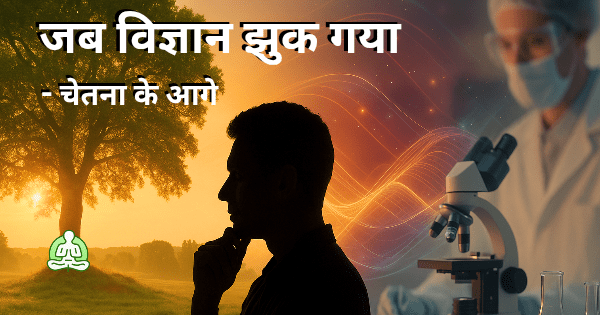

Does God really exist? This question has arisen in every age. Some discovered it through worship, some through the laboratory. But time has taught us that “God” is not just in temples or religion, but in every law, energy, and intelligence that governs the universe. When science reached its limits, it too had to admit—There is something beyond our understanding, but everything is connected to it.
🌍 1. The Beginning – When Man ‘Looked Up at the Sky’
Millions of years ago, when man lived in the forests, he was frightened by lightning, thunder, or a flooding river. He believed there was some invisible power that was causing all this. Gradually, he began to see “gods” in nature itself—the Sun God, the Wind God, and the Fire God. This was the beginning of the realization of God—not with fear, but with wonder.
Today, that same human being, sitting in laboratories, is observing the universe billions of light-years away through telescopes. He now knows that the sun is a ball of gas, electricity is the movement of electrons, but the same question still lingers in his mind— “How does all this work so precisely?”
---⚛️ 2. What does science do, and what is God?
Science and God are not two opposites, but two paths leading to the same goal—the search for truth.
- Science asks: “How does it work?”
- Contemplation of God asks: “Why does this happen?” (Why does it exist?)
Science is based on experiment and evidence, while spirituality is based on experience and consciousness. When both complete their journey, they both come to understand the same thing— “Truth is one, only the ways of understanding it are different.”
---🔬 3. What did great scientists say?
🧠 Albert Einstein
When Einstein was asked if he believed in God, he said— “I want to know how God created this world.” He saw God not as a religious deity, but as a universal intelligence. He used to say – “God does not play dice.” That is, the universe is not a coincidence, but is run by a well-organized rule.
☀️ Isaac Newton
Newton discovered gravity, but said – “The system of the sun and planets could only proceed from an intelligent and powerful Being.” He said, “I have discovered rules, not made them.” This means that there must be some kind of consciousness that creates the rules.
🌌 Stephen Hawking
Hawking was often called a "scientist who doesn't believe in God," but in his last book, "Brief Answers to the Big Questions," he wrote, ""We still do not know why the universe exists, or who created the laws that govern it." To admit that "something is unknown" is to admit God.
🔭 Max Planck
Max Planck, the father of quantum physics, said, ""All matter originates and exists only by virtue of a conscious and intelligent mind." This means that consciousness is behind matter. This is the same thing that was said thousands of years ago in the Vedas – “Sarvam Khalvidam Brahma.” (The entire universe is a manifestation of the same consciousness.)
---💫 4. The Mystery of Energy – Where Science and Spirituality Meet
According to modern physics, the entire universe is a play of energy. There is vibration within every atom. That is, nothing is truly static—everything is dynamic, made of waves and vibrations.
Science says – “Everything is energy.”
Spirituality says – “Everything is an extension of the same supreme consciousness.”
Science calls it the “Energy Field,” and spirituality calls it “God.” The experience is the same for both—only the words are different.
---🩺 5. “Rx” on a doctor's prescription—Science's humble bent
Every doctor writes “Rx” at the beginning of their prescription. Many people think of it as merely a formal sign, but it holds thousands of years of history.
- “Rx” is derived from the Latin word Recipere, meaning “receive” or “accept.”
- In ancient Egypt and Greece, it symbolized the “grace of the god Jupiter.”
- Ancient physicians believed that healing was not just about medicine, but about the patient's morale and God's grace.
This is why modern medical science, even today, begins with the prayer: “Where science ends, grace begins.”
---🧬 6. Three Questions on Which Science Remains Silent
Science has discovered much—planets, stars, DNA, quantum particles— but three questions still haunt it. Makes us humble:
- Origin of Life: The chemical elements have been discovered, but no one knows where consciousness came from.
- Consciousness: Brain activity can be measured, But where does the feeling "I am thinking" come from?
- Origin of the Universe: The Big Bang is But what existed before that? What was the power that initiated it?
Science answers these questions with “We don’t know yet.” — And this very word “yet” makes it bow before the possibility of God’s existence.
---🌠 7. When Science Learned Humility
At the end of every discovery, a scientist finds that the more he learns, the more remains unknown. Einstein used to say — “The more I study science, the more I believe in God.” Science may not have accepted scriptures, but it saw in the laws of nature the same intelligence that the sages called “Brahma.”
When we look at the sun, it gives us light; but when we understand it, it makes us humble. This is the true purpose of science—a journey from knowledge to faith. ---
🌿 8. Srishti Mitra's Perspective
Srishti Mitra believes that God is not limited to any one form, religion, or scripture. He is present in every law that sustains life.
When we pick up a wounded bird, water a plant, or support an elderly person— the compassion that surges within us at that moment is the true experience of God.
Science shows us how small we are, and God makes us feel that we are part of that vastness.
---💫 Conclusion—Science and God in the Same Direction
There is no wall between science and God. Science gives us the wisdom to understand the world, and God gives us the compassion to understand ourselves.
One is incomplete without the other. Science is blind without spirituality, and spirituality is incomplete without science.
“Science without spirituality is blind,
and spirituality without science is lame.” — Albert Einstein
So, Srishti Mitra's message is this: “Don't look for God, feel Him. He is hidden in every law, every compassion, every creation.”
Author – Dr. Mukesh Swami and Srishti Mitra family
“Be Humane, Save the Universe”
क्या ईश्वर सच में है? यह प्रश्न हर युग में उठता रहा है। किसी ने इसे पूजा से खोजा, किसी ने प्रयोगशाला से। पर समय ने सिखाया कि “ईश्वर” केवल मंदिर या धर्म में नहीं, बल्कि हर उस नियम, ऊर्जा और बुद्धि में है जो इस ब्रह्मांड को चलाती है। विज्ञान जब अपनी सीमाओं तक पहुँचा, तो उसे भी स्वीकार करना पड़ा — कुछ है जो हमारी समझ से परे है, पर सब कुछ उसी से जुड़ा है।
🌍 1. शुरुआत – जब मानव ने ‘आकाश की ओर देखा’
लाखों वर्ष पहले जब मनुष्य जंगलों में रहता था, तो बिजली गिरते, बादल गरजते या नदी में बाढ़ आती देखकर डर जाता था। उसे लगता था कि कोई अदृश्य शक्ति है जो यह सब कर रही है। धीरे-धीरे उसने प्रकृति में ही “देवता” देखने शुरू किए — सूर्यदेव, वायुदेव, अग्निदेव। यही ईश्वर-बोध की शुरुआत थी — डर से नहीं, विस्मय से।
आज वही मनुष्य, प्रयोगशालाओं में बैठा, टेलिस्कोप से अरबों प्रकाशवर्ष दूर ब्रह्मांड देख रहा है। वह अब जानता है कि सूरज गैस का गोला है, बिजली इलेक्ट्रॉनों की गति है, पर फिर भी उसके मन में वही प्रश्न है — “यह सब इतनी सटीक व्यवस्था से कैसे चल रहा है?”
---⚛️ 2. विज्ञान क्या करता है, और ईश्वर क्या है?
विज्ञान और ईश्वर दो विरोधी नहीं, बल्कि दो रास्ते हैं जो एक ही लक्ष्य की ओर जाते हैं — सत्य की खोज।
- विज्ञान पूछता है: “यह कैसे होता है?” (How does it work?)
- ईश्वर-चिंतन पूछता है: “यह क्यों होता है?” (Why does it exist?)
विज्ञान प्रयोग और प्रमाण पर चलता है, जबकि अध्यात्म अनुभव और चेतना पर। जब दोनों की यात्रा पूरी होती है, तो दोनों को एक ही बात समझ आती है — “सत्य एक है, बस उसे समझने के तरीके अलग हैं।”
---🔬 3. महान वैज्ञानिकों ने क्या कहा?
🧠 अल्बर्ट आइंस्टीन (Albert Einstein)
आइंस्टीन को जब पूछा गया कि क्या वह ईश्वर में विश्वास करते हैं, तो उन्होंने कहा — “I want to know how God created this world.” उन्होंने ईश्वर को किसी धार्मिक देवता के रूप में नहीं, बल्कि एक सार्वभौमिक बुद्धि के रूप में देखा। वे कहते थे — “God does not play dice.” अर्थात ब्रह्मांड कोई संयोग नहीं, बल्कि एक सुव्यवस्थित नियम से चल रहा है।
☀️ आइज़ैक न्यूटन (Isaac Newton)
न्यूटन ने गुरुत्वाकर्षण खोजा, पर कहा — “The system of the sun and planets could only proceed from an intelligent and powerful Being.” उन्होंने कहा, “मैंने नियम खोजे हैं, बनाए नहीं।” यानी नियम बनाने वाली शक्ति कोई न कोई चेतना अवश्य है।
🌌 स्टीफन हॉकिंग (Stephen Hawking)
हॉकिंग को अक्सर “ईश्वर को न मानने वाला वैज्ञानिक” कहा गया, पर अपनी अंतिम पुस्तक “Brief Answers to the Big Questions” में उन्होंने लिखा — “We still do not know why the universe exists, or who created the laws that govern it.” यह स्वीकार करना कि ‘कुछ अज्ञात है’ — वही तो ईश्वर की स्वीकृति है।
🔭 मैक्स प्लैंक (Max Planck)
क्वांटम फिज़िक्स के जनक मैक्स प्लैंक ने कहा — “All matter originates and exists only by virtue of a conscious and intelligent Mind.” यानी पदार्थ (Matter) के पीछे चेतना (Consciousness) है। यह वही बात है जो वेदों में हजारों वर्ष पहले कही गई — “सर्वं खल्विदं ब्रह्म।” (संपूर्ण ब्रह्मांड उसी चेतना का रूप है)
---💫 4. ऊर्जा का रहस्य – जहाँ विज्ञान और अध्यात्म मिलते हैं
आधुनिक भौतिकी के अनुसार, संपूर्ण ब्रह्मांड ऊर्जा का खेल है। हर परमाणु के भीतर कंपन्न (vibration) है। यानी, कोई वस्तु वास्तव में स्थिर नहीं — सब कुछ गतिशील, तरंगों और कंपन से बना है।
विज्ञान कहता है — “Everything is energy.”
अध्यात्म कहता है — “सब कुछ उसी परम चेतना का विस्तार है।”
विज्ञान इसे “Energy Field” कहता है, और अध्यात्म उसे “परमात्मा”। दोनों का अनुभव एक ही है — केवल शब्द अलग हैं।
---🩺 5. डॉक्टर की पर्ची पर लिखा “Rx” – विज्ञान का विनम्र झुकाव
हर डॉक्टर पर्ची के शुरू में “Rx” लिखता है। बहुत लोग इसे केवल एक औपचारिक निशान समझते हैं, पर इसके पीछे हजारों वर्ष पुराना इतिहास छिपा है।
- “Rx” लैटिन शब्द Recipere से बना है, जिसका अर्थ है — “प्राप्त करो” या “स्वीकार करो।”
- प्राचीन मिस्र और यूनान में इसे “देवता जूपिटर की कृपा” का प्रतीक माना गया।
- प्राचीन वैद्य मानते थे कि उपचार केवल दवा से नहीं, बल्कि रोगी के मनोबल और ईश्वर की कृपा से होता है।
यही कारण है कि आज भी आधुनिक चिकित्सा विज्ञान, अपने आरंभ में उस प्रार्थना को रखता है — कि “जहाँ विज्ञान समाप्त होता है, वहाँ कृपा आरंभ होती है।”
---🧬 6. तीन प्रश्न जिन पर विज्ञान आज भी मौन है
विज्ञान ने बहुत कुछ खोजा — ग्रह, तारे, DNA, क्वांटम कण — पर तीन प्रश्न अब भी उसे विनम्र बना देते हैं:
- जीवन की उत्पत्ति (Origin of Life): रासायनिक तत्व तो मिल गए, पर “चेतना” कहाँ से आई — यह कोई नहीं जानता।
- चेतना (Consciousness): मस्तिष्क की गतिविधियाँ मापी जा सकती हैं, पर “मैं सोच रहा हूँ” — यह अनुभूति कहाँ से आती है?
- ब्रह्मांड की शुरुआत (Origin of Universe): Big Bang तो हुआ, पर उससे पहले क्या था? कौन-सी शक्ति थी जिसने यह आरंभ किया?
विज्ञान इन प्रश्नों पर “We don’t know yet.” कहता है — और यही “yet” शब्द उसे ईश्वर के अस्तित्व की संभावना के आगे झुकाता है।
---🌠 7. जब विज्ञान ने विनम्रता सीखी
हर खोज के अंत में वैज्ञानिक पाता है कि जितना उसने जाना, उतना ही अज्ञात रह गया। आइंस्टीन कहते थे — “The more I study science, the more I believe in God.” विज्ञान ने भले ही धर्मग्रंथ न माने हों, पर उसने प्रकृति के नियमों में वही बुद्धि देखी जिसे ऋषियों ने “ब्रह्म” कहा।
जब हम सूर्य को देखते हैं, तो वह हमें प्रकाश देता है; पर जब हम उसे समझते हैं, तो वह हमें विनम्र बना देता है। यही विज्ञान का असली उद्देश्य है — ज्ञान से श्रद्धा की ओर यात्रा।
---🌿 8. सृष्टि मित्रा का दृष्टिकोण
सृष्टि मित्रा मानती है कि ईश्वर किसी एक रूप, धर्म या ग्रंथ में सीमित नहीं। वह हर उस नियम में है जो जीवन को टिकाए रखता है।
जब हम किसी घायल पक्षी को उठाते हैं, किसी पौधे को जल देते हैं, या किसी वृद्ध को सहारा देते हैं — तो उस क्षण हमारे भीतर से जो करुणा फूटती है, वही ईश्वर का वास्तविक अनुभव है।
विज्ञान हमें दिखाता है कि हम कितने छोटे हैं, और ईश्वर हमें यह अनुभव कराता है कि हम उसी विशालता का हिस्सा हैं।
---💫 निष्कर्ष – विज्ञान और ईश्वर एक ही दिशा में
विज्ञान और ईश्वर के बीच कोई दीवार नहीं है। विज्ञान हमें दुनिया को समझने की बुद्धि देता है, और ईश्वर हमें स्वयं को समझने की करुणा।
एक बिना दूसरे के अधूरा है। विज्ञान बिना अध्यात्म के अंधा है, और अध्यात्म बिना विज्ञान के अधूरा।
“Science without spirituality is blind,
and spirituality without science is lame.” — Albert Einstein
इसलिए सृष्टि मित्रा का संदेश यही है — “ईश्वर को ढूँढ़ना मत, उसे महसूस करो। हर नियम, हर करुणा, हर सृष्टि में वही छिपा है।”
लेखक – डॉ. मुकेश स्वामी एवं सृष्टि मित्रा परिवार
“Be Humane, Save Universe”